
Skin Exfoliation
Enough to renew. Not enough to damage.
Controlled removal of dull surface cells, matched to your skin type — with a clear warning about the harm of doing too much of it.
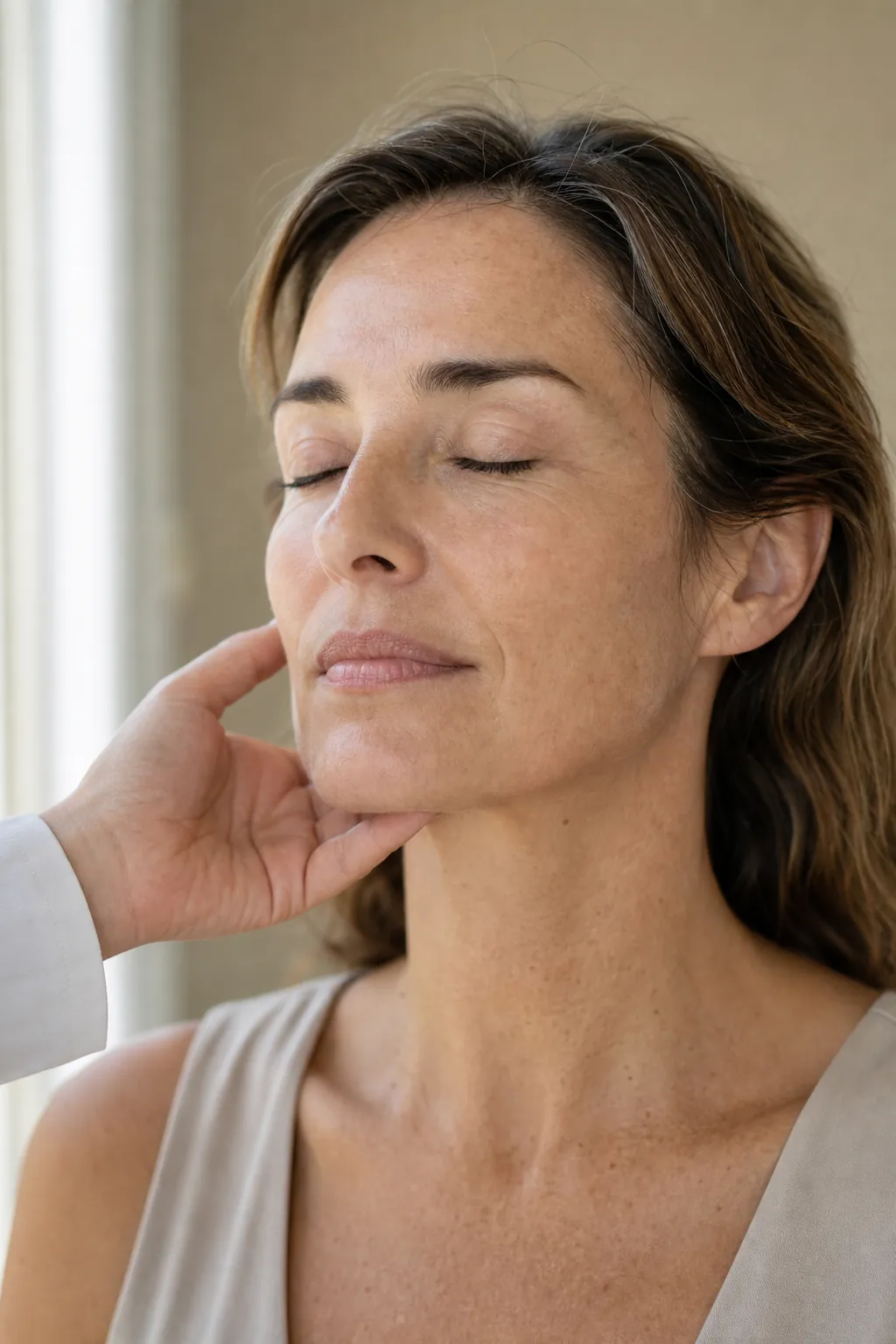
Exfoliation clears the layer of dead surface cells that makes skin look dull and stops products from absorbing properly. Done correctly, skin looks brighter and feels smoother immediately.
The method is chosen for your skin rather than applied uniformly, because the right approach for oily congested skin is not the right approach for thin, reactive skin.
The mistake we see most
Over-exfoliation. It is genuinely common, and people rarely realise they are doing it because the early result looks good.
The signs are a skin barrier that is stinging, tight, unusually sensitive, flaky in a way it was not before, or suddenly reactive to products it used to tolerate. The instinct at that point is to exfoliate more to fix the texture, which makes it worse.
If that is where your skin is, the right treatment is to stop and let the barrier recover — and we will tell you that instead of booking you a course.
Afterwards
Skin is smoother and brighter straight away. Mild redness or sensitivity may occur briefly depending on the method.
Freshly exfoliated skin is more sensitive to UV, so sun protection immediately afterwards is not optional advice in this climate — it is the difference between a brighter complexion and a pigmented one.
Frequently Asked Questions
Less often than most people think, and it depends on your skin type and the method used. Your practitioner will set an interval; exceeding it is where damage starts.
Stinging, tightness, unusual sensitivity, new flakiness, or reacting to products you used to tolerate. The fix is to stop and let the barrier recover, not to exfoliate more.
It is more controlled. The method is matched to your skin and the depth is deliberate, which is what makes it effective without tipping into barrier damage.
Usually little. Mild redness or sensitivity may occur briefly, depending on the method chosen.
It can help with congestion and surface texture. Active acne is a medical condition and may need dermatological treatment rather than exfoliation alone.
Yes, and more than usual. Freshly exfoliated skin is more vulnerable to UV, and unprotected exposure afterwards risks pigmentation — particularly in medium and darker skin tones.
Start with a consultation.
We will discuss what you would like to achieve, explain how the treatment works and help you understand what you can realistically expect.
Related treatments
- LipoZero 5DA non-invasive body-contouring treatment for localised fat. Consultation-led, measured, and grounded in realistic expectations.
- Microneedling with DermapenProfessional microneedling for acne scars, skin texture and skin quality — assessed and delivered by a practitioner.
- Skin RejuvenationAn assessment-led approach to dullness, uneven tone and texture — working with your skin's own renewal rather than resurfacing it aggressively.
Further reading
- LipoZero 5D: What Body Contouring Can Realistically AchieveNon-invasive body contouring explained: how it works, what the published research shows, who it may suit, and why expectations matter.
- Microneedling for Acne Scars: What It Can and Cannot DoMicroneedling improves some acne scars well and others barely. Which scar types respond, how many sessions it takes, and darker skin advice.