
Biotin Treatment
Useful if you are short of it. Assessed first.
Biotin (vitamin B7) supports hair, skin and nails — meaningfully when you are deficient, and much less when you are not. Which is why we check before we treat.
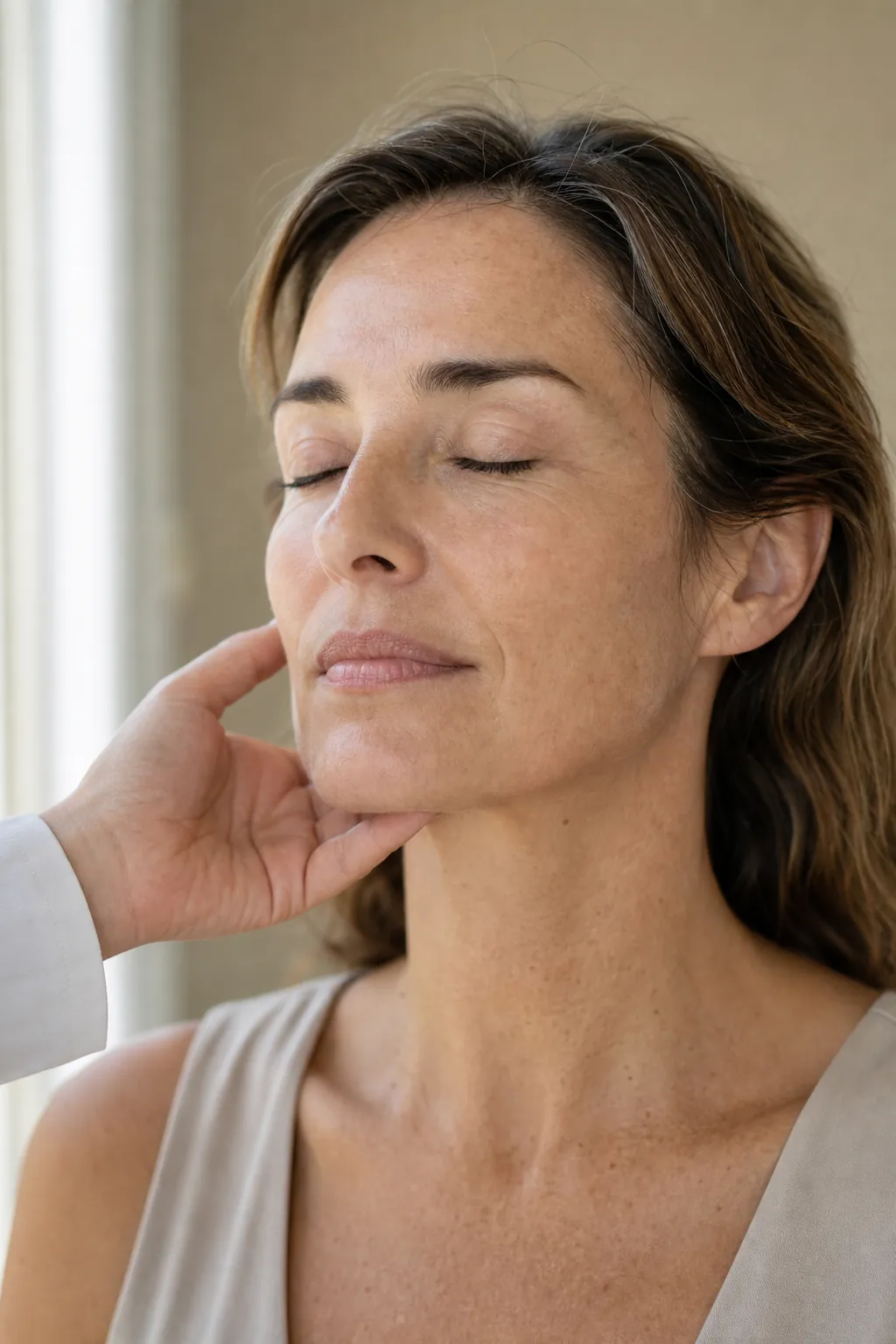
Biotin is a B vitamin involved in the body's normal metabolism, and it has a genuine and well-established role in the health of hair, skin and nails.
It is also one of the most heavily marketed supplements in the world, which is why this page is written the way it is. The claim that biotin helps hair and nails is true. The claim that everyone benefits from more of it is not.
Why we assess before we treat
Biotin deficiency produces clear effects on hair and nails, and correcting it produces a clear improvement. But true deficiency is uncommon in people eating a normal varied diet, and in someone who is not deficient the effect of supplementing is considerably smaller than the marketing suggests.
More importantly, hair loss and brittle nails have many causes — thyroid disorders, iron deficiency, hormonal change, medication, stress, and inherited pattern hair loss among them. Biotin does not treat any of those. Taking it while the actual cause goes unexamined costs you months.
So the consultation looks at what is actually happening before deciding whether biotin is part of the answer, and whether something else needs investigating first.
One thing to tell every doctor you see
Biotin at supplement doses interferes with a number of common laboratory blood tests. It can make thyroid results look abnormal when they are not, and — the reason this matters most — it can distort troponin, the test used to diagnose a heart attack.
This is not a rare theoretical concern. It is a recognised cause of misleading results, and it is the single most useful thing on this page.
So if you are taking biotin, tell any doctor ordering blood tests, and mention it in an emergency department. Your practitioner here will tell you how long before a blood test to stop it.
Frequently Asked Questions
If you are deficient in it, correcting that helps and the improvement is real. If you are not deficient, the effect is much smaller than the marketing suggests — which is why we assess first.
No. It is uncommon in people eating a normal varied diet, which is exactly why supplementing without checking often disappoints.
Frequently, yes. Thyroid disorders, iron deficiency, hormonal change, medication, stress and inherited pattern hair loss all cause it, and biotin treats none of them. The consultation looks for those first.
Yes, and this matters. At supplement doses it interferes with several common assays, including thyroid tests and troponin, the test used to diagnose a heart attack. Tell any doctor ordering blood tests that you take it.
Hair and nails grow slowly, so any change is measured in months rather than weeks, and consistency matters more than dose.
Yes. Biotin supports a routine, it does not replace one. Diet, sleep and managing an underlying cause do more than any supplement.
Start with a consultation.
We will discuss what you would like to achieve, explain how the treatment works and help you understand what you can realistically expect.
Related treatments
- LipoZero 5DA non-invasive body-contouring treatment for localised fat. Consultation-led, measured, and grounded in realistic expectations.
- Microneedling with DermapenProfessional microneedling for acne scars, skin texture and skin quality — assessed and delivered by a practitioner.
- Skin RejuvenationAn assessment-led approach to dullness, uneven tone and texture — working with your skin's own renewal rather than resurfacing it aggressively.
Further reading
- LipoZero 5D: What Body Contouring Can Realistically AchieveNon-invasive body contouring explained: how it works, what the published research shows, who it may suit, and why expectations matter.
- Microneedling for Acne Scars: What It Can and Cannot DoMicroneedling improves some acne scars well and others barely. Which scar types respond, how many sessions it takes, and darker skin advice.